
Four rooms, one path
A child can arrive at six weeks old and leave for kindergarten without ever changing centers. The curriculum runs the whole way through, so the ground under them does not move every September.
 Six weeks to 18 months
Infants
An infant room lives or dies on consistency. The same few faces, the same hands at the same moments, so a baby learns that being hungry, tired or upset is always followed by someone coming. Everything else is built on that.
Naps run on your baby’s clock, not ours
The schedule below shows three nap windows because that is what an infant room needs to hold. Inside them, a baby who is tired sleeps and a baby who is awake gets a teacher. We follow the sleep pattern you send us in and tell you what actually happened.
 18 months to three years
Toddlers
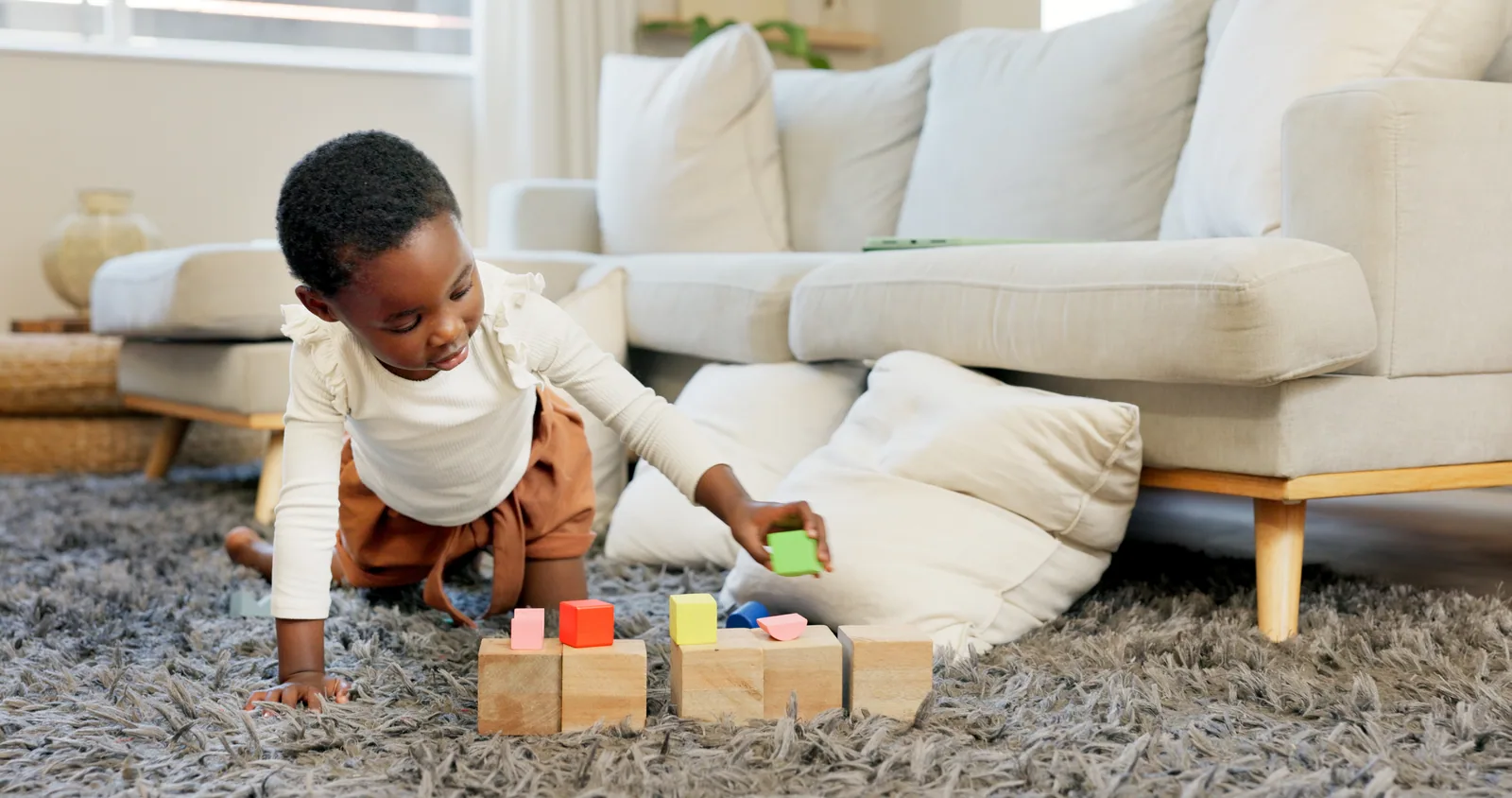
Toddlers are learning to move on purpose, say what they want and cope when the answer is no. The room is built for high motion and emerging self-control: short blocks, plenty of outside time, and the same order to the day every day so the day itself does some of the teaching.
Two blocks of outside time, every day
Once mid-morning and once mid-afternoon. Gross motor play is not a reward for good behavior here and it is not the first thing cut when the day runs late. It is on the schedule twice because a toddler who has moved is a toddler who can sit down.
 Three to four years
Preschool
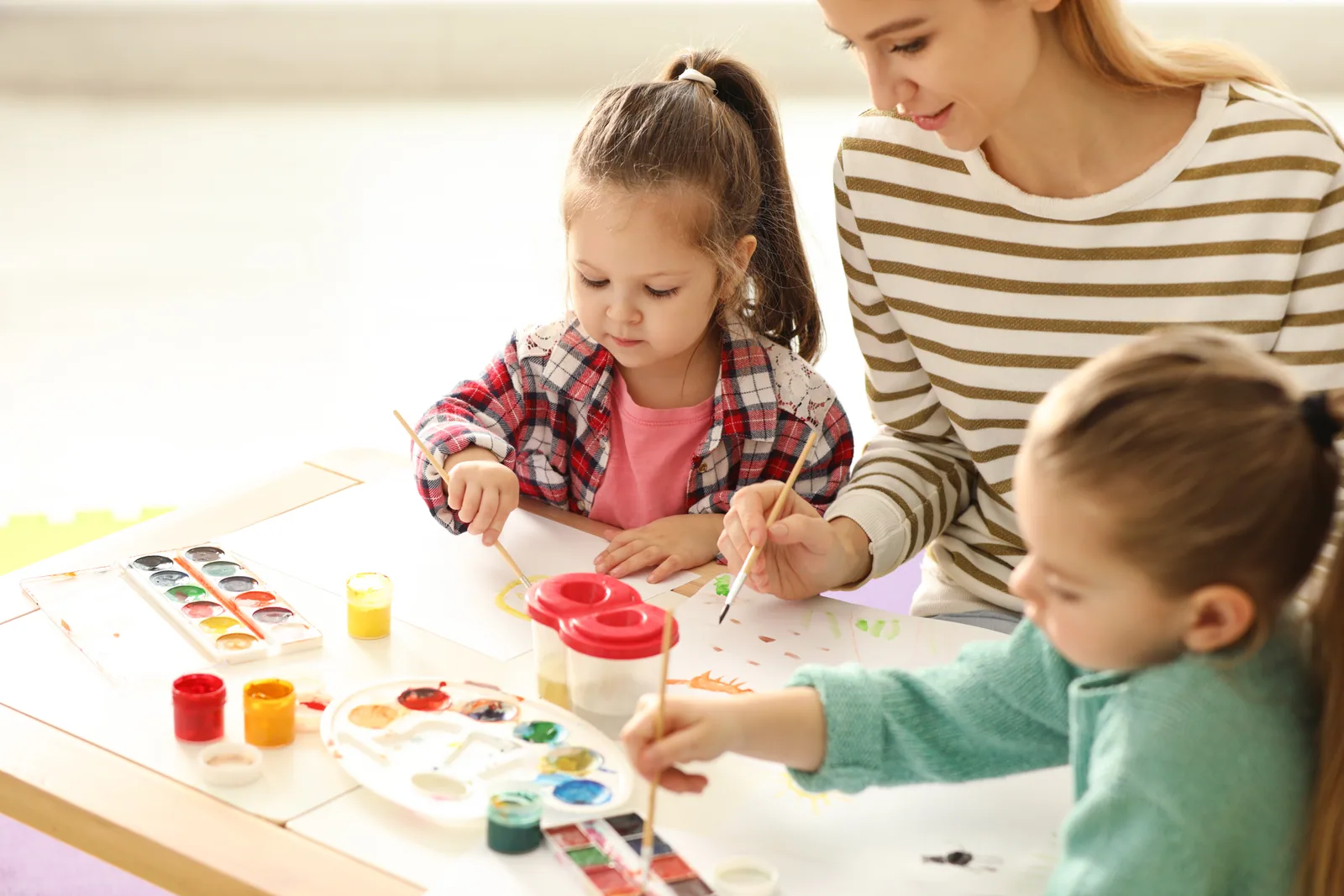
Three-year-olds are working out how a classroom works. They are expanding vocabulary fast, testing where the edges are, and practicing staying with something a little longer than they want to. This year is less about facts than about how to follow a routine, ask for help and finish a thing.
Three read-alouds and two circles a day
Morning meeting sets the day, closing circle closes it, and books sit between them. A child who cannot yet read is still learning what a story is, how a page works and that an adult will stop and answer the question.
 Four to five years
Pre-K
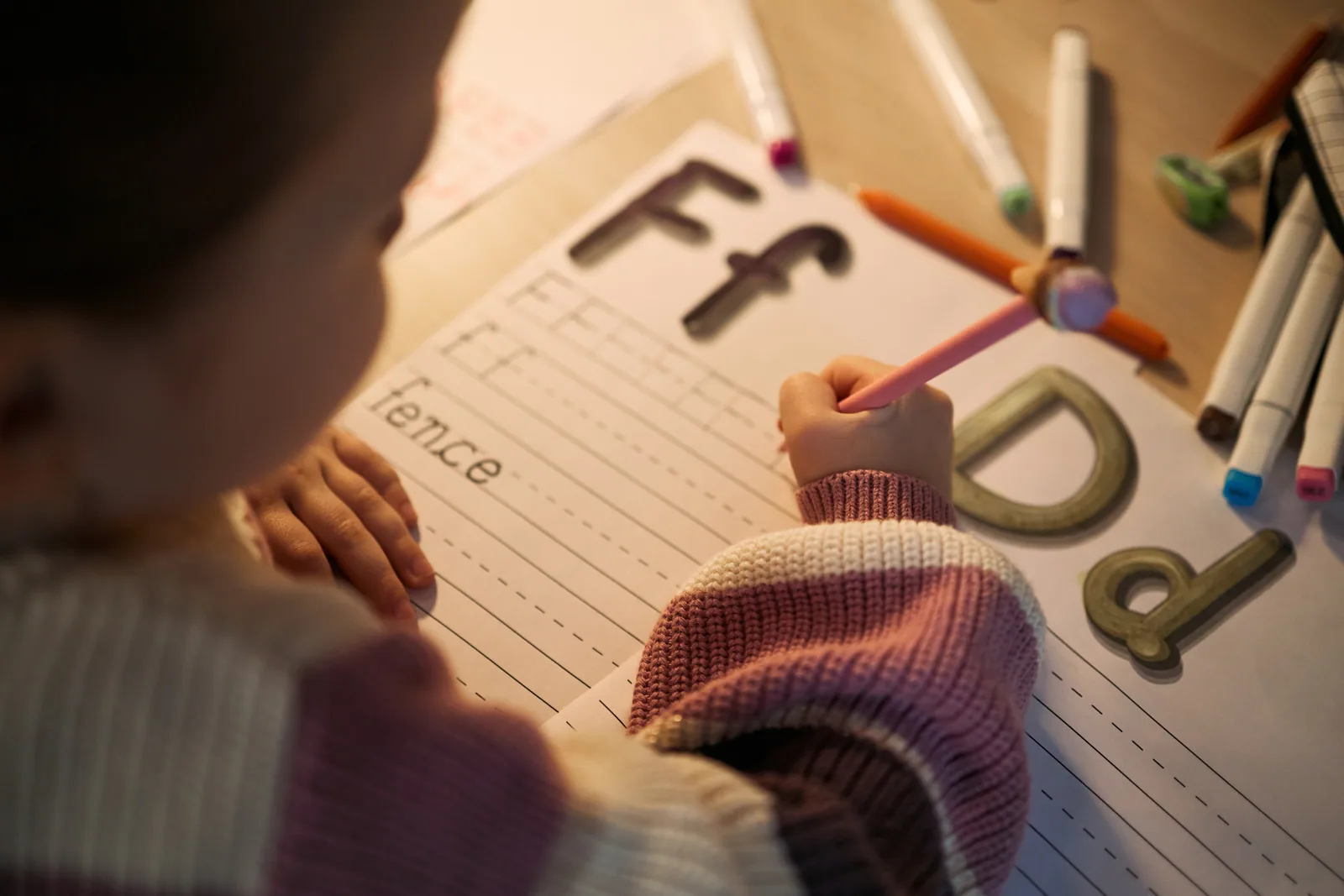
Pre-K is the year that connects early learning to what elementary school will expect. Children are stretching their attention, building vocabulary quickly, and learning to handle both academic content and each other. The curriculum covers every domain while the room keeps holding the social and emotional work.
Kindergarten readiness is a year, not a test
Sitting for a lesson, raising a hand, finding your own name, asking a teacher for help, carrying a disagreement to an adult instead of a fist. Those are the things a kindergarten teacher notices in September, and they are what this room spends a year on.
Not sure which room?
Tell us how old your child will be when they start and we will tell you which room they would be in, and whether we can hold a space.