
A curriculum, and a way of being with a child who is struggling
Most centers have the first. The second is what you can feel within a minute of walking into a room, and it is the part that decides whether a two-year-old learns anything at all.
Frog Street
A research-based early childhood curriculum that runs from infancy through the early elementary grades. It leans on play, social and emotional development, and learning by doing rather than by being told.
The reason it matters here is continuity. The same framework carries a child from the infant room to the day they leave for kindergarten, so the language, the routines and the way a lesson is shaped stay recognizable while everything else about them changes. A three-year-old moving up in September is not also learning a new system.
What it looks like at each age
- Infants6 wks to 18 moUnhurried, one-to-one care on your baby’s own rhythm, with the day written down and sent home.
- Toddlers18 mo to 3 yrsRoom to move, words for big feelings, and a routine predictable enough to lean on.
- Preschool3 to 4 yrsThe year a child learns how to be part of a classroom, and how to learn.
- Pre-K4 to 5 yrsA full year aimed squarely at kindergarten, without turning five-year-olds into students too early.
Conscious Discipline
Dr. Becky Bailey’s framework, and the thing that most separates one early childhood room from another. It starts with the adult, not the child.
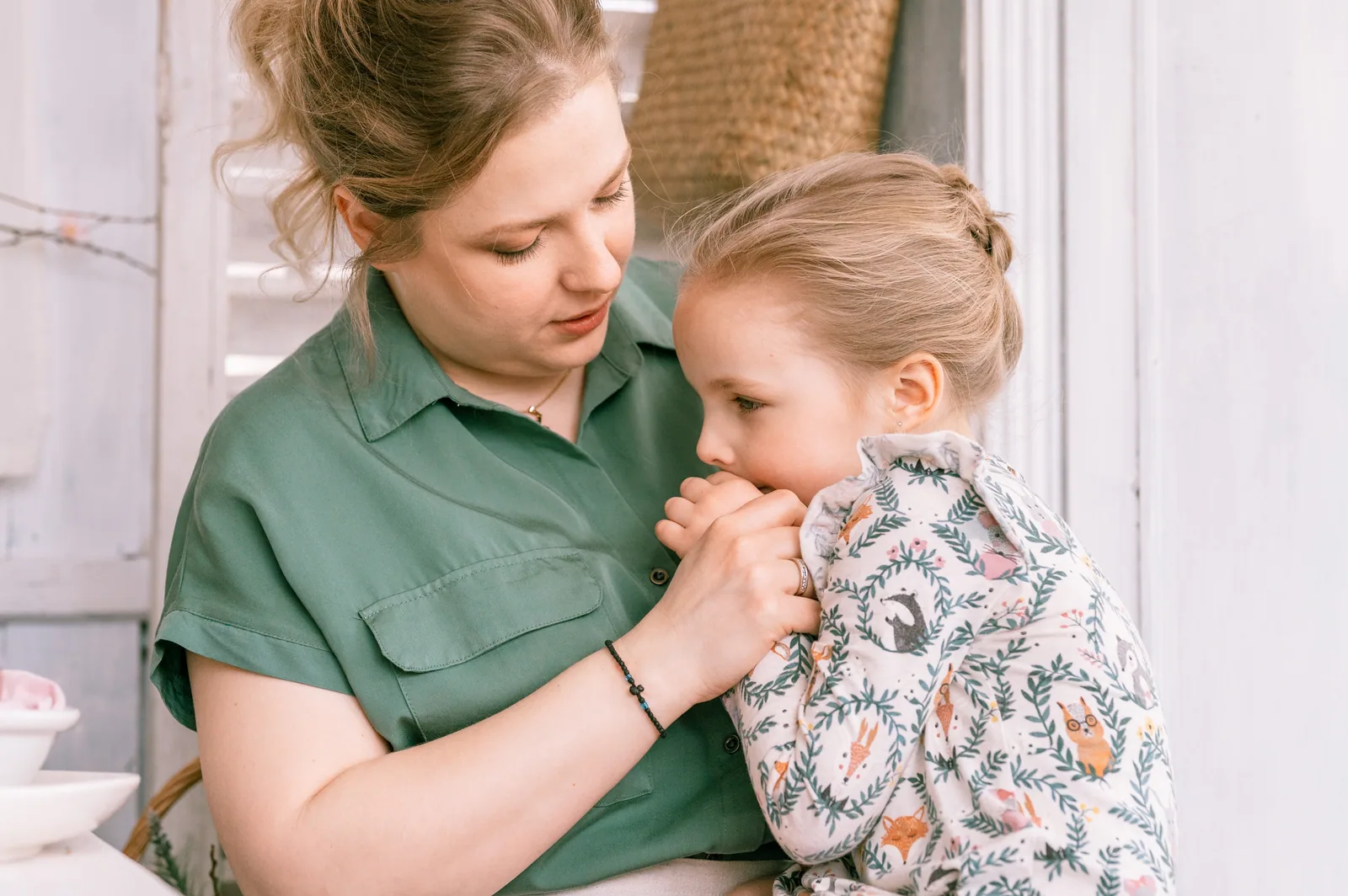
A small child who is hitting, screaming or refusing is not being difficult on purpose. They are overwhelmed and do not yet have the equipment to handle it. The question is what the grown-up in the room does next, and Conscious Discipline is a specific, teachable answer: stay calm yourself first, connect before you correct, name the feeling out loud, and then solve the problem together.
Infants and toddlers
Adults model calm, empathy and clear language. A child learns that upset is followed by somebody arriving, which is where self-soothing comes from.
Preschool
Feelings get named. A child starts to recognize what is happening in their own body and to say it instead of throwing something.
Pre-K
Problem-solving, healthy boundaries and reading the room. Two five-year-olds who want the same thing work it out with an adult nearby rather than over.
Connection over control. Nobody is shamed, nobody sits in a corner, and no child is made an example of in front of the room.
Brain Smart Start
A short, deliberate routine at the start of the day, built on the same research. It exists because of something every teacher already knows and most schedules ignore: a child who is wound up, worried or still half asleep cannot learn anything, and asking them to is a waste of everyone’s morning.
Unite
Something shared, so a child arrives into a group rather than into a room.
Disengage stress
A breath, a movement, a song. Physically, not as an instruction.
Connect
One-to-one contact with an adult and with each other.
Commit
A clear, simple intention for what the morning holds.
On every room’s written schedule this shows up as the morning meeting or greeting circle. It looks like a nice way to start the day. It is also the reason the rest of the day works.
Come and watch a morning meeting
Curriculum names on a website tell you very little. Ten minutes at the back of a room while a teacher settles fourteen three-year-olds tells you everything.